Camaraderie and Working Together

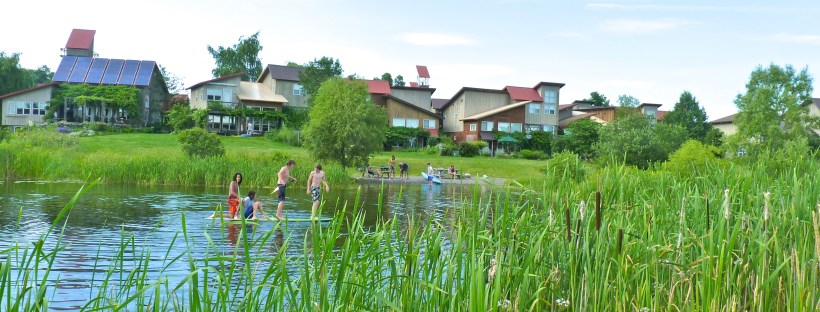
In 1996, EcoVillage at Ithaca in Ithaca, New York was founded by Joan Bokaer and Liz Walker with the help of the Center for Religion, Ethics, and Social Policy at Cornell University. This sustainable community was inspired by co-housing projects that appeared in Denmark in the early 1960’s; with the goal of creating a model community to exemplify sustainable systems of living. This community is a working model and demonstration of 175-acres of meeting human needs, namely shelter, food production, energy, social interaction, work, and recreation while preserving natural ecosystmes.

There are three different neighborhoods; FROG, SONG, and TREE. Each neighborhood provides walkways and lawns that unite housing units, a Common House for weekly meals, a pool or pond, a laundry room, and office spaces.

Residents of EcoVillage participate in weekly volunteering in various work teams; cooking, dishes, maintenance, outdoors, finance, Common House, governance or any other projects needed.

What makes EcoVillage so sustainable?

  •  Residents use 40% less energy than middle class U.S. households
  •  Low-flow toilets & faucets
  •  Radiant floor heating
  •  Rainwater catchment systems
  •  Shared heating
  •  Triple-glazed large south-facing windows
  •  Solar electric systems in FROG

Other organizations also a part of EcoVillage include the non-profit Center for Sustainable Education and the Groundswell Center for Local Food and Farming. These organizations help offer educational opportunities on global warming and sustainable lifestyles.

Mattie Love
Ecovillage at Ithaca

Water Works in Lufumbu

Lufumbu is a small village in South West Tanzania that exemplifies how a community can come together and create great change. Lufumbu mostly relies on agriculture for income and due to the low water infrastructures crops and the community suffer. In Sub-Saharan Africa the shortage in water infrastructures exists for mainly two reasons being; a village’s location and poor access roads. In 1992, the government created a survey to assess the communities in desperate need of water projects constructed under government funds; unfortunately Lufumbu was not a chosen community. Although, the government did not choose Lufumbu, the community came together to find a way to establish a water supply scheme of their own.

The scheme chosen was designed by villagers and water technicians. The water tank relies on a simple gravity principle that uses locally obtaniably materials; stones and corrugated iron sheets.

The Cost of $50,000 was met through:

The Roman Catholic Church (10%)

The United Nations Development Program (42%)

The Villagers (48%)

The water scheme has 56 drawing points, with 10 kilometers of mains, and a resovoir tank of 60,000 liters. This layout is not only efficient but great because it allows for the whole community to reach a drawing point. Throughout the help of the entire community the project only took 4 ½ months to complete.

Some of the many benefits of this water scheme include:

  •  Significant reduction in water borne diseases
  •  Increase in agriculture production
  •  Expansion in coffee farming
  •  Housing benefits/upgrades to brick homes (327 modern brick houses)
  •  Afforestation and reforestation in valleys and hills
  •  Impact on women’s living conditions

The success of the Lufumbu Water Project has been a driving force for the District Government in not only adopting the invention but by implementing Lufumbu’s water design in all community-based water schemes.

Mattie Love

Click to access lufumbu.pdf

Promoting Sustainable Food Security

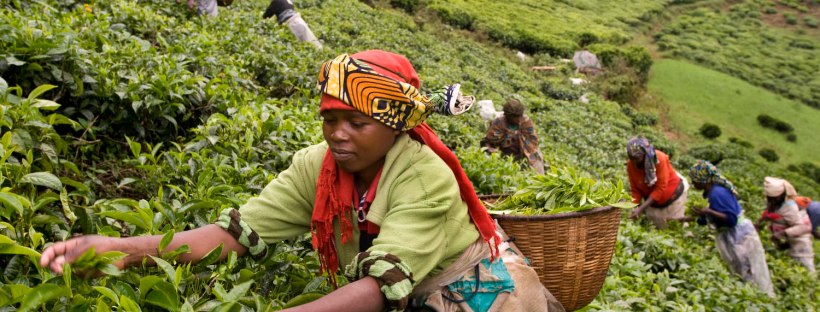
A necessary path that needs to be taken in order to make our world a better place and provide a healthy home for future generations is the fixing of failed states, and organization of poor and hungry people who seem to be voiceless. One obvious part of the world in need of aid in these areas is Rwanda.

Rwanda is doing absolutely everything they can individually from within the country. There happen to be many organizations with ongoing projects in the country working towards sustainable development as it is using the UN’s SDG’s as its guide. Rwanda faced a terrifying and tragic genocide in 1994 and has been in a state of fragility and recovery ever since. These goals are helping the international community and Rwanda itself decide how to organize, and prioritize its social, economic, and food related issues using the UN’s SDG’s in hopes that Rwanda will be able to thrive as a self-­sustaining country, no longer in need of international aid. I felt that this message of self-­sustainability is the exact premise of our project. We are starting small which is important. Building a strong society starting with our own streets, neighborhoods, communities, and cities lead to eventual change on a more massive scale such as a country (Rwanda) and maybe as a species eventually.

In a country where 20% of family homes are food insecure at the moment, Rwanda is definitely an urgent case. While they are not the only one, it will be important to examine Rwanda as help is provided. Using these sustainability goals as a guide we will be able to learn how to better provide services and build or rebuild sustainable, efficient and habitable countries. These good habits will subsequently affect neighboring countries and eventually the entire world as the blueprint for a more manageable pace of life for a healthier future continues to unfold.

Kyle Noviello

Google Images, Rwanda. http://www.csmonitor.com.

Ervin, E. (2016, April 14). Sustainablesolutions.org, blog. http://globalsolutions.org/blog/2016/04/Sustainable­Agriculture­One­Way­Promote­Food­Security­Fragile­Countries#.Vx_12BMrKCQ

Incentivize the Future

It becomes increasingly clear in everyday life that as human beings, we can and must change our ways and develop new lifestyles that allow for the rising population as well as rising global temperature. Rising populations, large infrastructure, deforestation and the burning of fossil fuels are warming the Earth, harming ecosystems, degrading soil and the destruction of the sheer beauty our planet has to offer. That being said, these issues are not being confronted with the necessary sense of urgency by most of the world leaders and large corporations. There are however, examples of countries doing the right thing.

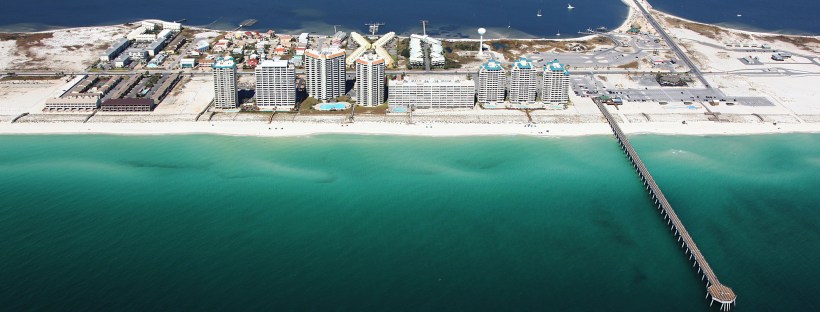
The country of Navarre is very dedicated about the prospect of and necessity of becoming more sustainable in the way we are living our lives. The “Navarre Network (NN)” is a collection of local governments and actors such as businesses and schools. The Navarre Network understands the importance of spreading awareness of the real issues facing our planet.

Initiatives have been taken by Navarre to become a leader among European countries in both sustainability and renewable energy. The article also describes how Navarre practiced involving non-­public actors and its citizens in the process and really motivated people into feeling the need to participate in creating a better future. The government did such things as give awards to those who have shown excellence in the name of sustainability, embark on cycling initiatives, and purchase composts from both public and private entities. The way Navarre has encouraged its population and rewarded its citizens for working towards a better future is something very important that needs to be taken into consideration as the social (uniting people under a positive cause) aspect of changing our ways as a species and protecting the rights of future generations.

The Navarre Network tackles the UN’s sustainable development goals from a community standpoint. While legislation and subsidies have proven to be powerful tools and will no doubt be necessary in order to get the human network on the same page with these issues, of equal importance is building communities, people caring about their neighbors, educating the population and creating a local sense of togetherness. Sustainability starts with widespread awareness and using the media and local governments to do so, Navarre Network is proving that this is a tangible method that yields results and is helping create a better future.

Kyle Noviello

Google Images, pyrenalis.com.

Callow, J. (2012). Sustainablecities.eu. http://www.sustainablecities.eu/local­stories/navarre­2

Jumbo Sized Shrimp

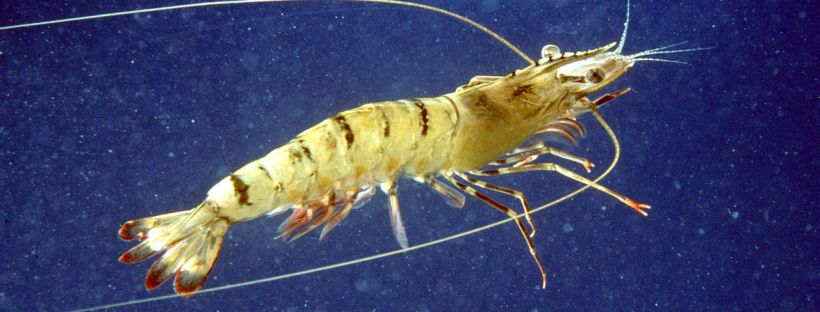
There has been a ground­breaking innovation in the shrimp industry! Shrimp farming to be precise. The input is a special bacteria and the product is healthy, nutritious shrimp that have the potential to feed countless people around the world and in desperately poor countries.

The shrimping farming industry has been frowned upon in recent years despite its making up 55% of shrimp production throughout the entire world. Shrimp farming has been known to have the potential of destroying ecosystems and polluting the environment, along with using a large amount of energy.

A brand new start­up working to make shrimp farming more sustainable. The start­up, Marizca, was initiated by biochemical engineering students at University College in London, and have developed indoor facilities in which shrimp can live, feed, and grow. The shrimp feed on a certain bacteria that also filters the water that it shares with the shrimp. The bacteria consumes the waste from the shrimp and when the bacteria reaches an appropriate size, the shrimp consume it. The microorganisms make up 30% of what the shrimp need to consume and due to the water­purifying capabilities of the bacteria, a large amount of water and electricity are saved. These facilities, if they begin so spread, will also decrease the amount of pollution caused by other methods of shrimp farming. The founder believes that these methods could be used in third­world and food deprived areas of the world and benefit starving people tremendously. The
pods used are simple to assemble, easily transported and have the potential to be run purely on solar power. Much like other cases, the founder believes that the practice will be beneficial for the world if it were widely adopted. Still working on licensing and finding the right NGO to work with, “the first batch of Marizca’s London­produced shrimp will be on sale within the year.”

This is the kind of technological innovation that targets several of the sustainable development goals that were laid out by the UN in order to promote a more sustainable way of living life and ensuring a safe and healthy planet for future generations. These goals most clearly include the war on hunger and the initiative to spread good health and well­being. Responsible production and consumption are at the heart of this project and while it is yet to be attempted as a large scale operation it certainly has the potential to feed a lot of tragically underfed people.

Kyle Noviello

Marine shrimp farming on wikipedia.org.

Dobrovolny, M. (2014, September 13). http://www.scidev.net.

http://www.scidev.net/global/fisheries/news/start­up­promises­to­revolutionise­shrimp­farming.html

Farming Education in Upstate New York

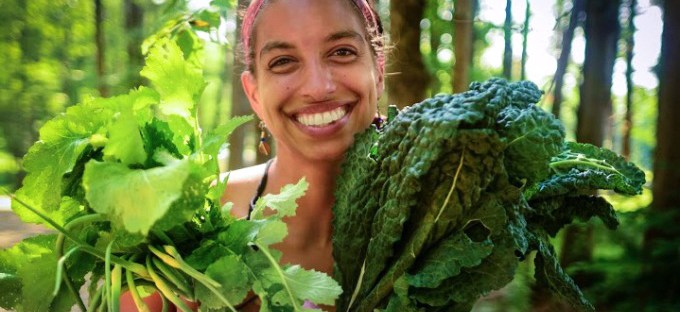
Leah Penniman is a science teacher who purchased a large portion of land in upstate New York, just east of Albany. Leah and her husband began farming their land in 2010 and have since developed “Soul Fire Farm.” The farm has become an educational tool for African ­American and Latino youth in an attempt to reinvigorate the relationship between the young people of color and the land they work. The farm yields over 80 different vegetables and 20 fruits to go along with hens and chickens.

An approach that is of equal or greater value than the nutrition and education is the idea that African­ American and Latino youth tend to think that these farming ways just bring about thoughts of slavery and abuse, whereas Penniman sees the opportunity to use farming to make lives better. The land and farming techniques should be viewed as fruitful and valuable, a source of nourishment, not punishment and forced labor, the simple fact that young people might follow this train of thought is absolutely heartbreaking and increases the importance and value of what Penniman is trying to accomplish. This program provides opportunities for apprenticeships and farming immersion and distributes the vegetables and fruits that the farm yields to low­ income areas in Troy and Albany and families in need.

This farming immersion program is helpful for so many reasons. The 72 acre property acts as a link between the individuals who have the pleasure of working the land, and the land itself. The farm is an educational tool, it is a program that works towards several of the sustainable development goals that the UN has developed as part of an agenda to make a better planet.

Soul Fire Farm promotes good health and well­being under a firm belief that “diversity in produce is as important as accessibility regardless of income.” The farm aids the less fortunate as it distributes a diverse collection of fruits and vegetables to poor families that may not have desirable access to food in general, let alone proper and necessary nutrients. Just within those parameters alone, Soul Fire Farm fights poverty and hunger while providing important, quality educational opportunities. More operations such as this one around the globe would benefit the human race tremendously and help countless individuals achieve food security while not only providing for but teaching how it is done as well. This program puts farming and working the land in its rightful place as a fun and worthy venture, and into the hands of young people who may not have felt previously capable.

Kyle Noviello

Civileats.com,

http://civileats.com/2014/12/02/this­farmer­wants­to­help­youth­of­color­reconnect­with­the­lan

Henry, S. (2014, December 2). Civileats.com.

http://civileats.com/2014/12/02/this­farmer­wants­to­help­youth­of­color­reconnect­with­the­lan