The Billion Oyster Project: Bringing back New York Harbor’s Ecosystem One Oyster at a Time

The Billion Oyster Project (BOP), started by the students at New York Harbor  School has worked to grow and restore oysters in the New York Harbor. Oysters reefs used to occupy over 220,000 acres of the Hudson River, and were a large part of the ecosystem. Oysters are known to filter the water around them, and provide a healthier habitat for other marine species and plants. Unfortunately, there are virtually no oysters left in the harbor because of pollution, over-harvesting, and dredging. The loss of oysters, and rise in water pollution, has rendered the current ecosystem unable to filter the water. Without the oysters, the Harbor reefs have disappeared and without these protective habitats the shoreline is more vulnerable to storms and destructive waves. BOP has five stand alone programs in place to restore the Harbors ecosystems that include: Oyster Production, BOP Schools, Reef Construction and Monitoring, Shell Collection, and Public Programs.

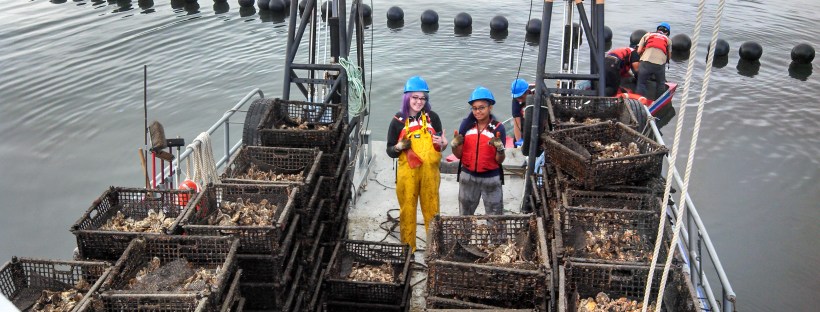
The Billion Oyster Project engages local students in hands on ways. In their mission statements, BOP says that students have “learned to SCUBA dive safely, raise oyster larvae, operate and maintain vessels, build and operate commercial-scaled oyster nurseries, design underwater monitoring equipment and conduct long-term authentic research projects all in the murky, contaminated, fast moving waters of one of the busiest ports in the county.” (BOP, 2016) One of their BOP Schools, the Harbor School, grows 10 million oysters a year and the students there are the ones that sustain the BOP’s projects. As of this year, BOP works in partnership with 36 public schools to provide these hands on opportunities to learn about science and math. Today there are more than eleven million oysters back in the New York Harbor thanks to BOP and it’s partners.

New York City always takes care of it’s own, and with a project like BOP, that directlybenefits the New York Harbors, many local businesses are getting in on the action. The Brooklyn Brewery and BOP have teamed up to create a limited edition oyster beer. The beer is called the Brooklyn Brewery’s Billion Oyster Saison, and was brewed with whole oysters! While this may sound strange to some, Irish brewers have been brewing with oysters for years and the taste is supposedly delicious. Garrett Oliver, the Brewmaster at Brooklyn Brewery, said that the collaboration with the BOP was easy since, “Water quality is incredibly important to us because it makes up about 95% of the beer we produce. Needless to say we take the issue very seriously and are happy to support the case in the best way we know-making a beer!” It will be premiered at the third annual Billion Oyster Party this May and will benefit the Billion Oyster Project, as well as the New York Harbor Foundation. Partnerships like these are mutually beneficial, and help to not only raise money but also awareness! With the kind of partnership and support that the Billion Oyster Project has received they are getting closer to their ambitious goal of restoring the reefs and bringing one billion oysters back into the New York Harbor every day!

Morgan McGoughran

Restore Our Harbor. (n.d.). Retrieved May 24, 2016, from http://www.billionoysterproject.org/about/

Brooklyn Brewery Promotes New York Harbor Restoration with Billion Oyster Saison Brewbound.com. (2016). Retrieved May 24, 2016, from http://www.brewbound.com news/brooklyn-brewery- promotes-new- york-harbor- restoration-billion- oyster-saison

Levine, A. S. (2016). New York Today: The Big Oyster. Retrieved May 24, 2016, from http://www.nytimes.com/2016/05/10/nyregion/new-york- today-the- big-oyster.html?_r=0
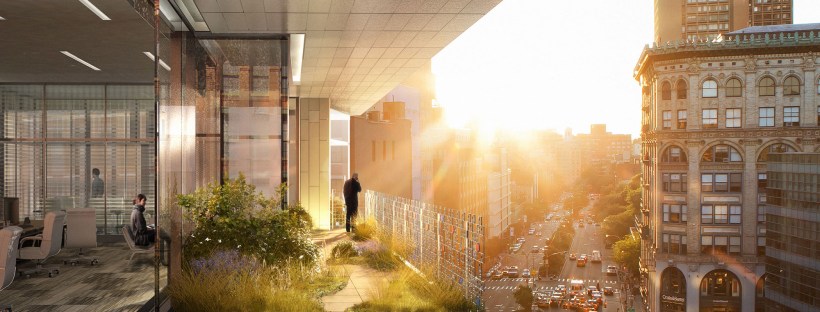
The Environmental and Social Benefits of Building ‘Green’

In New York City today, the desire and need for sustainable buildings has risen to astronomical numbers. With Mayor De Blasio’s OneNYC plan to build a stronger, more sustainable city, and previous Mayor Michael Bloomberg’s proposed energy efficiency plans, the growing number of green buildings popping up comes as no surprise. As of today, 70 percent of the city’s greenhouse emissions come from buildings such as schools, apartment, homes, workplaces, stores, etc. In order to reduce that percentage considerably, both current and future buildings will need to be modified or built with green and sustainable principles in mind. Energy efficiency is one of the top priorities, and by using more renewable sources of energy, we can lower greenhouse emissions, make buildings more affordable, and work toward a more sustainable city.

Today, more buildings are being designed or modified with not only sustainability in mind, but also maximizing the value of every inch of the structure. At the forefront of this environmental movement is Rich Cook, an architect and partner with COOKFOX, who has employed creative ways of connecting occupants with nature. In COOKFOX’s mission statement, it says that the company “seeks out projects of all scales and building types engaging in those through which we can explore inventive responses to environmental and social issues.” COOKFOX’s website has a wealth of information about the different projects they are working on now. They have clearly focused on the benefits of rooftop gardens, and hold an interest in the growing field of urban farming. On the rooftop of one of their NYC buildings, they have a small garden that grows corn, squash, and climbing beans. These three vegetables have been documented in different Native American tribes as growing and thriving the best when they are planted together. They have experimented with planting different heirloom seeds, but the most important point is that they have seen successful harvests every year since planting them. There are also many different types of flowers and plants in the garden, as well as a colony of bees for pollinating the plants and flowers that now contains 60,000 bees!

Cook believes that by incorporating these natural elements into buildings, you can also improve occupants’ mental and physical health. The “healing gardens” movement, which says that plants may have a calming effect on people, is now being employed inside, around, and now on top of these buildings. In offices where stress levels are high and the quality of mental health may be low, incorporating these green spaces can increase mental health, reduce stress levels, and improve air quality. He also says that by providing people with a connection to sunlight and nature, you give them a stronger sense of responsibility towards sustainable living. The hope is that the occupants of the building will help to contribute to sustainability and energy efficiency. Something as small as turning off lights when offices or rooms are not in use would save a ton of energy over timeif done on a building-wide scale.

COOKFOX’s designs incorporate green terraces and balconies in their buildings that is reminiscent of the Skyrise Greenery in Singapore. Singapore, whose slogan is “City in a Garden”, is a great example of how green spaces, energy efficiency, and technology can come together to create a more sustainable city. The greatest part about incorporating green spaces and LEED elements is that you can do it both on a small and large scale. On the smaller end, incorporating a garden on the roof or in the often- neglected area behind apartment buildings, can improve air quality and mental health of all occupants. On the largest scale, The Empire State Building is retrofitted for energy efficiency and has saved millions of dollars in energy costs since making the change. Other than energy efficiency, companies housed in the building like Shutterstock have yoga and massage rooms in their offices. This is pretty awesome because it highlights the connection between improving mental and physical health and environmental sustainability.

While designing with energy efficiency in mind is practically a standard now, including these green spaces is a more costly effort. At this time, it is harder to make a case for spending the extra money to provide these modifications that fall under the ‘improving mental health’ category. It’s a given that companies with enough capital, and a mind towards sustainability and the quality of the environment for their employees, can create this beautiful LEED certified meccas. For those with a smaller budget, making a bunch of short-term goals to achieve over time would help make the transition without breaking the bank. While it may be costly to create these spaces, they are a smart economic decision in the long run. These spaces, like rooftops, terraces, or even vertical gardens (along the walls), now serve a purpose that isn’t purely structural. Rooftop gardens can save money in both insulation and cooling costs, improve rainwater retention, improve air quality in cities where air pollution is a problem, and actually  protectthe structural integrity of the roofs that they cover. Plus, they’re really pretty to lookat!

Morgan McGoughran

Weiss, L. (2016). NYC office buildings are buzzing with new green spaces. Retrieved from http://nypost.com/2016/04/19/nyc-office- buildings-are- buzzing-with- new- green-spaces/

Mission. (n.d.). Retrieved from http://www.cookfox.com/

Brooklyn Dives Deep into Aquaculture

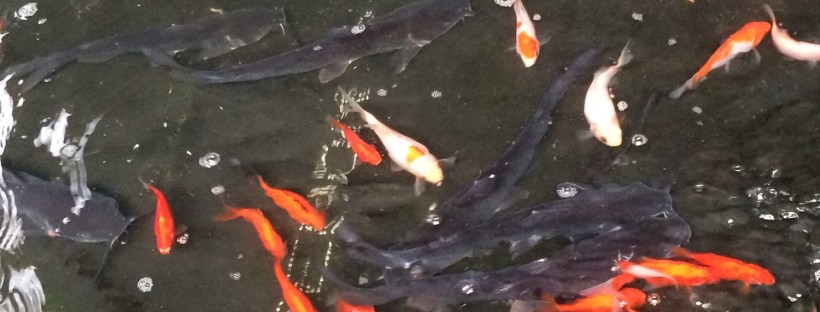
Moore Street Farm is a unique collaborative between Oko Farms and the Brooklyn Economic Development Corporation (BEDC). It is a 2,500 square foot education and production farm in Bushwick, Brooklyn and the largest outdoor  aquaponics farm in New York City. This system allows both fish and vegetables to be raised in the limited spaces of such a compact city, making it very usable in densely populated urban settings. The farm cultivates a variety of freshwater fish including catfish, tilapia and crawfish along with a variety of vegetables and herbs. This farm uses aquaponics, a system in which the waste produced by farmed fish or other aquatic animals supplies nutrients for plants grown hydroponically, which ultimately purifies the water in order to grow nutrient dense foods with clean water.

The constant cycling of nutrients in the waste is a very efficient recycling system that eliminates toxic run-off that is typically present in most current methods of fish farming. This method helps reduce pollution and the carbon footprint, specifically in NYC, although this system is easily replicable in basically any other geographic location around the world, as it does not require much space or many natural resources to operate. Aquaponics systems reduce the amount of toxins consumed by humans who commonly eat farmed fish, ultimately helping to reduce health concerns for consumers. Additionally, it allows growers to produce and sell organic, local products within their immediate urban setting, reducing transportation time and costs, and making selling prices much cheaper for local customers.

This cyclical system is incredibly efficient with essentially no waste, thus it works in conjunction with many of the Sustainable Development Goals, in an effort to combat hunger and poverty, by making it possible to offer cheaper prices for locally produced foods, providing more accessibility to good health and well-being, with organic and nutrient dense foods being produced. The system operates with clean water and sanitation through its filtering plants, with innovative sustainable infrastructure, contributing to the creation of sustainable communities with a high regard for responsible consumption and production. Thus, this simple yet effective system creates a ripple effect that can help so many people lead much more sustainable lives.

The aquaponics system has very few limitations that would prevent it from working in any location; nonetheless, the scalability is dependent upon the support from the community. Aquaponics , on a small scale would work for individuals or a small group of people rather easily; however, for a larger system to be installed in a community, for business profits rather than personal use, it would most likely require a community that is eager to support and eat such specifically raised foods. Furthermore, large-scale production would require enough funding from either government or local contributors to obtain the proper equipment. In general, the system allows for great flexibility of products that can be grown depending on the particular demands of the local consumer market and geographic resources available to farmers in the area.

Alexa Bender

Kadish, J. (2014, November 21). Forget Chicken Coops-Fish Ponds Could Be the Future of Urban Farming. Retrieved May 22, 2016, from http://www.aquaponicsnyc.com/

Oko Farms. (n.d.). Retrieved May 22, 2016, from http://www.okofarms.com/

Girls coming together for Gender Equality

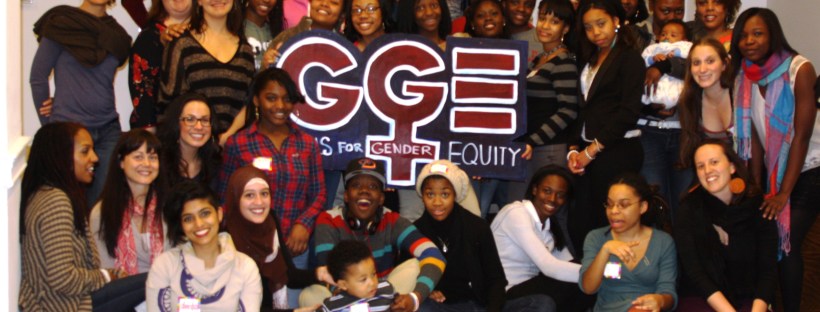
Girls for Gender Equity is an award-winning non profit based in Brooklyn, New York founded by Joanne Smith after an 8 year old girl in her community was raped. For Smith, it became clear that the most vulnerable girls and women of color needed to be advocated for gender, race, class, and sexual oppression. GGE seeks to mobilize girls and women under the Title IX of the Education amendment (No person in the United States shall, on the basis of sex, be excluded from participation in, be denied the benefits of, or be subjected to discrimination under any education program or active to receiving Federal financial assistance)(Title IX could be highlighted and definition could come up if clicked on for those who don’t know what it is) and is committed to systemic change in all of the support networks that shape the development and achievement of girls and women, namely physical, psychological, social, and economical development. GGE believes in the optimal development of girls, women; and ultimately the entire community. The three core programs follow: Youth Organizing that mobilizes youth and adults towards creating sustained change in their communities through educational campaigns, research and direct action.

A few of GGE’s Community Organizing

  •  Sisters in Strength (SIS), (this could be clicked on and the definition could come

up) a 2-year organization program for 15 young women of color entering

sophomore or junior year of high school that organizes community outreach of  gender-based violence while confronting the layers of individual andinstitutional discrimination that threaten the safe of girls and women.

  •  The Coalition for Gender Equity in Schools (CGES) collaborates with youth,

educators parents, activists, and policy makers to raise awareness about the

impact of sexual harassment in NYC schools and seeks change in gender equality

in the education for youth in NYC.

  •  Participatory Action Research (PAR), education method that allows members

of a community to do research on problems that exist in their community. This

process seeks action and change.

http://www.ggenyc.org/2014/11/day-of- the-girl- nakisha-lewis- discuss-gender-equality-on- bric/

Mattie Love

Farming Education in Upstate New York

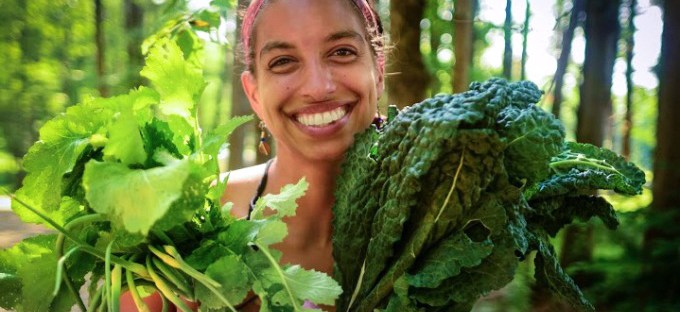
Leah Penniman is a science teacher who purchased a large portion of land in upstate New York, just east of Albany. Leah and her husband began farming their land in 2010 and have since developed “Soul Fire Farm.” The farm has become an educational tool for African ­American and Latino youth in an attempt to reinvigorate the relationship between the young people of color and the land they work. The farm yields over 80 different vegetables and 20 fruits to go along with hens and chickens.

An approach that is of equal or greater value than the nutrition and education is the idea that African­ American and Latino youth tend to think that these farming ways just bring about thoughts of slavery and abuse, whereas Penniman sees the opportunity to use farming to make lives better. The land and farming techniques should be viewed as fruitful and valuable, a source of nourishment, not punishment and forced labor, the simple fact that young people might follow this train of thought is absolutely heartbreaking and increases the importance and value of what Penniman is trying to accomplish. This program provides opportunities for apprenticeships and farming immersion and distributes the vegetables and fruits that the farm yields to low­ income areas in Troy and Albany and families in need.

This farming immersion program is helpful for so many reasons. The 72 acre property acts as a link between the individuals who have the pleasure of working the land, and the land itself. The farm is an educational tool, it is a program that works towards several of the sustainable development goals that the UN has developed as part of an agenda to make a better planet.

Soul Fire Farm promotes good health and well­being under a firm belief that “diversity in produce is as important as accessibility regardless of income.” The farm aids the less fortunate as it distributes a diverse collection of fruits and vegetables to poor families that may not have desirable access to food in general, let alone proper and necessary nutrients. Just within those parameters alone, Soul Fire Farm fights poverty and hunger while providing important, quality educational opportunities. More operations such as this one around the globe would benefit the human race tremendously and help countless individuals achieve food security while not only providing for but teaching how it is done as well. This program puts farming and working the land in its rightful place as a fun and worthy venture, and into the hands of young people who may not have felt previously capable.

Kyle Noviello

Civileats.com,

http://civileats.com/2014/12/02/this­farmer­wants­to­help­youth­of­color­reconnect­with­the­lan

Henry, S. (2014, December 2). Civileats.com.

http://civileats.com/2014/12/02/this­farmer­wants­to­help­youth­of­color­reconnect­with­the­lan