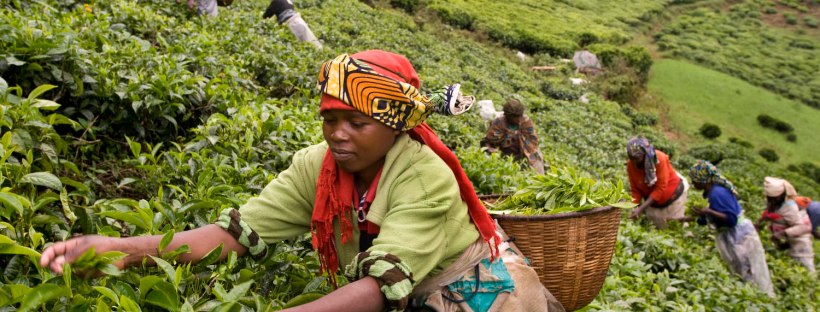
A necessary path that needs to be taken in order to make our world a better place and provide a healthy home for future generations is the fixing of failed states, and organization of poor and hungry people who seem to be voiceless. One obvious part of the world in need of aid in these areas is Rwanda.
Rwanda is doing absolutely everything they can individually from within the country. There happen to be many organizations with ongoing projects in the country working towards sustainable development as it is using the UN’s SDG’s as its guide. Rwanda faced a terrifying and tragic genocide in 1994 and has been in a state of fragility and recovery ever since. These goals are helping the international community and Rwanda itself decide how to organize, and prioritize its social, economic, and food related issues using the UN’s SDG’s in hopes that Rwanda will be able to thrive as a self-sustaining country, no longer in need of international aid. I felt that this message of self-sustainability is the exact premise of our project. We are starting small which is important. Building a strong society starting with our own streets, neighborhoods, communities, and cities lead to eventual change on a more massive scale such as a country (Rwanda) and maybe as a species eventually.
In a country where 20% of family homes are food insecure at the moment, Rwanda is definitely an urgent case. While they are not the only one, it will be important to examine Rwanda as help is provided. Using these sustainability goals as a guide we will be able to learn how to better provide services and build or rebuild sustainable, efficient and habitable countries. These good habits will subsequently affect neighboring countries and eventually the entire world as the blueprint for a more manageable pace of life for a healthier future continues to unfold.
Kyle Noviello
Google Images, Rwanda. http://www.csmonitor.com.
Ervin, E. (2016, April 14). Sustainablesolutions.org, blog. http://globalsolutions.org/blog/2016/04/SustainableAgricultureOneWayPromoteFoodSecurityFragileCountries#.Vx_12BMrKCQ
 Sustainable Journeys