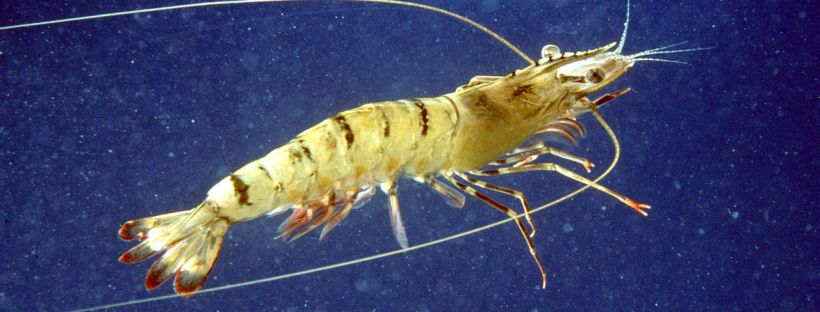
There has been a groundbreaking innovation in the shrimp industry! Shrimp farming to be precise. The input is a special bacteria and the product is healthy, nutritious shrimp that have the potential to feed countless people around the world and in desperately poor countries.
The shrimping farming industry has been frowned upon in recent years despite its making up 55% of shrimp production throughout the entire world. Shrimp farming has been known to have the potential of destroying ecosystems and polluting the environment, along with using a large amount of energy.
A brand new startup working to make shrimp farming more sustainable. The startup, Marizca, was initiated by biochemical engineering students at University College in London, and have developed indoor facilities in which shrimp can live, feed, and grow. The shrimp feed on a certain bacteria that also filters the water that it shares with the shrimp. The bacteria consumes the waste from the shrimp and when the bacteria reaches an appropriate size, the shrimp consume it. The microorganisms make up 30% of what the shrimp need to consume and due to the waterpurifying capabilities of the bacteria, a large amount of water and electricity are saved. These facilities, if they begin so spread, will also decrease the amount of pollution caused by other methods of shrimp farming. The founder believes that these methods could be used in thirdworld and food deprived areas of the world and benefit starving people tremendously. The
pods used are simple to assemble, easily transported and have the potential to be run purely on solar power. Much like other cases, the founder believes that the practice will be beneficial for the world if it were widely adopted. Still working on licensing and finding the right NGO to work with, “the first batch of Marizca’s Londonproduced shrimp will be on sale within the year.”
This is the kind of technological innovation that targets several of the sustainable development goals that were laid out by the UN in order to promote a more sustainable way of living life and ensuring a safe and healthy planet for future generations. These goals most clearly include the war on hunger and the initiative to spread good health and wellbeing. Responsible production and consumption are at the heart of this project and while it is yet to be attempted as a large scale operation it certainly has the potential to feed a lot of tragically underfed people.
Kyle Noviello
Marine shrimp farming on wikipedia.org.
Dobrovolny, M. (2014, September 13). http://www.scidev.net.
http://www.scidev.net/global/fisheries/news/startuppromisestorevolutioniseshrimpfarming.html
 Sustainable Journeys