Jumbo Sized Shrimp

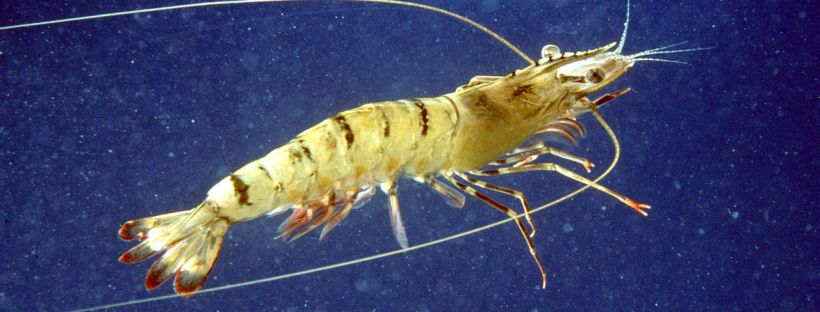
There has been a ground­breaking innovation in the shrimp industry! Shrimp farming to be precise. The input is a special bacteria and the product is healthy, nutritious shrimp that have the potential to feed countless people around the world and in desperately poor countries.

The shrimping farming industry has been frowned upon in recent years despite its making up 55% of shrimp production throughout the entire world. Shrimp farming has been known to have the potential of destroying ecosystems and polluting the environment, along with using a large amount of energy.

A brand new start­up working to make shrimp farming more sustainable. The start­up, Marizca, was initiated by biochemical engineering students at University College in London, and have developed indoor facilities in which shrimp can live, feed, and grow. The shrimp feed on a certain bacteria that also filters the water that it shares with the shrimp. The bacteria consumes the waste from the shrimp and when the bacteria reaches an appropriate size, the shrimp consume it. The microorganisms make up 30% of what the shrimp need to consume and due to the water­purifying capabilities of the bacteria, a large amount of water and electricity are saved. These facilities, if they begin so spread, will also decrease the amount of pollution caused by other methods of shrimp farming. The founder believes that these methods could be used in third­world and food deprived areas of the world and benefit starving people tremendously. The
pods used are simple to assemble, easily transported and have the potential to be run purely on solar power. Much like other cases, the founder believes that the practice will be beneficial for the world if it were widely adopted. Still working on licensing and finding the right NGO to work with, “the first batch of Marizca’s London­produced shrimp will be on sale within the year.”

This is the kind of technological innovation that targets several of the sustainable development goals that were laid out by the UN in order to promote a more sustainable way of living life and ensuring a safe and healthy planet for future generations. These goals most clearly include the war on hunger and the initiative to spread good health and well­being. Responsible production and consumption are at the heart of this project and while it is yet to be attempted as a large scale operation it certainly has the potential to feed a lot of tragically underfed people.

Kyle Noviello

Marine shrimp farming on wikipedia.org.

Dobrovolny, M. (2014, September 13). http://www.scidev.net.

http://www.scidev.net/global/fisheries/news/start­up­promises­to­revolutionise­shrimp­farming.html

Farming Education in Upstate New York

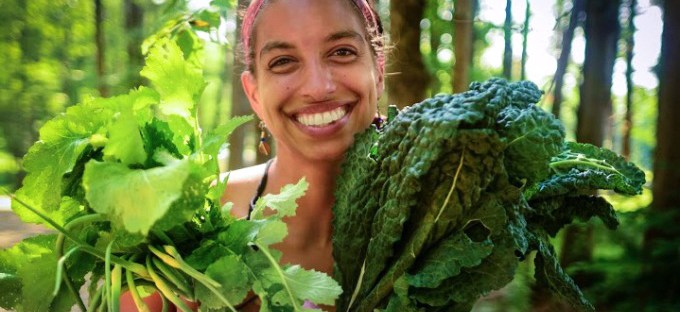
Leah Penniman is a science teacher who purchased a large portion of land in upstate New York, just east of Albany. Leah and her husband began farming their land in 2010 and have since developed “Soul Fire Farm.” The farm has become an educational tool for African ­American and Latino youth in an attempt to reinvigorate the relationship between the young people of color and the land they work. The farm yields over 80 different vegetables and 20 fruits to go along with hens and chickens.

An approach that is of equal or greater value than the nutrition and education is the idea that African­ American and Latino youth tend to think that these farming ways just bring about thoughts of slavery and abuse, whereas Penniman sees the opportunity to use farming to make lives better. The land and farming techniques should be viewed as fruitful and valuable, a source of nourishment, not punishment and forced labor, the simple fact that young people might follow this train of thought is absolutely heartbreaking and increases the importance and value of what Penniman is trying to accomplish. This program provides opportunities for apprenticeships and farming immersion and distributes the vegetables and fruits that the farm yields to low­ income areas in Troy and Albany and families in need.

This farming immersion program is helpful for so many reasons. The 72 acre property acts as a link between the individuals who have the pleasure of working the land, and the land itself. The farm is an educational tool, it is a program that works towards several of the sustainable development goals that the UN has developed as part of an agenda to make a better planet.

Soul Fire Farm promotes good health and well­being under a firm belief that “diversity in produce is as important as accessibility regardless of income.” The farm aids the less fortunate as it distributes a diverse collection of fruits and vegetables to poor families that may not have desirable access to food in general, let alone proper and necessary nutrients. Just within those parameters alone, Soul Fire Farm fights poverty and hunger while providing important, quality educational opportunities. More operations such as this one around the globe would benefit the human race tremendously and help countless individuals achieve food security while not only providing for but teaching how it is done as well. This program puts farming and working the land in its rightful place as a fun and worthy venture, and into the hands of young people who may not have felt previously capable.

Kyle Noviello

Civileats.com,

http://civileats.com/2014/12/02/this­farmer­wants­to­help­youth­of­color­reconnect­with­the­lan

Henry, S. (2014, December 2). Civileats.com.

http://civileats.com/2014/12/02/this­farmer­wants­to­help­youth­of­color­reconnect­with­the­lan